Embark on a journey into the realm of AI Business Automation Tools for Process Standardization, where innovation meets optimization to streamline business operations like never before. Explore the transformative power of AI tools in standardizing processes and enhancing productivity across various industries.
Overview of AI Business Automation Tools for Process Standardization
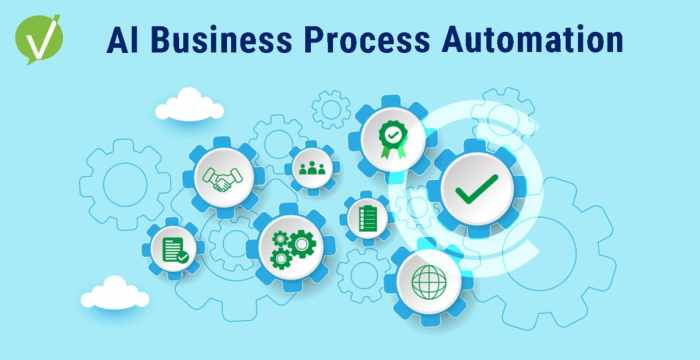
AI business automation tools are software solutions that utilize artificial intelligence and machine learning algorithms to automate and optimize various business processes. These tools are designed to streamline workflows, reduce manual intervention, and improve overall operational efficiency.In the context of business operations, process standardization refers to the practice of establishing uniform procedures, protocols, and best practices across an organization.
Standardizing processes ensures consistency, quality, and compliance with industry regulations.Using AI tools for standardizing processes offers several key benefits. Firstly, AI algorithms can analyze large amounts of data quickly and accurately, identifying patterns and inefficiencies that may not be apparent to human operators.
This leads to improved decision-making and process optimization. Secondly, automation through AI tools can reduce errors, minimize repetitive tasks, and enhance productivity by allowing employees to focus on more strategic and value-added activities. Overall, AI business automation tools play a crucial role in driving operational excellence and enabling organizations to achieve greater efficiency and competitiveness in the market.
Types of AI Tools for Process Standardization
AI tools play a crucial role in process standardization across various industries. Let's explore the different types of AI tools commonly used for this purpose.
Machine Learning Algorithms
Machine learning algorithms are widely used to analyze large datasets and identify patterns to standardize processes. These algorithms can learn from historical data to make predictions and automate decision-making, leading to more efficient and standardized processes.
- One example is the use of machine learning algorithms in the healthcare industry to standardize treatment protocols based on patient data and outcomes.
- Another example is in manufacturing, where machine learning algorithms are used to optimize production processes and ensure consistent quality control.
Natural Language Processing (NLP)
NLP technologies are used to interpret and analyze human language, enabling AI systems to understand and standardize unstructured data. NLP tools can extract information from text documents, emails, and customer feedback to streamline processes and improve communication.
- For instance, in the financial sector, NLP tools are used to standardize customer support responses and automate the processing of loan applications.
- In the retail industry, NLP is employed to analyze customer reviews and feedback, leading to standardized product recommendations and improved customer satisfaction.
Robotic Process Automation (RPA)
RPA tools automate repetitive tasks by mimicking human actions, thereby standardizing manual processes and reducing errors. These tools can handle data entry, invoice processing, and other routine tasks to enhance operational efficiency.
- One industry benefiting from RPA is banking, where these tools are used to standardize account opening procedures and streamline compliance processes.
- In the logistics sector, RPA is employed to standardize order processing and shipment tracking, leading to faster delivery times and improved customer service.
Benefits of Implementing AI Business Automation Tools
Implementing AI business automation tools for process standardization offers a wide range of advantages for businesses looking to streamline their operations and improve overall efficiency.
Improved Efficiency and Productivity
- AI tools can automate repetitive and time-consuming tasks, allowing employees to focus on more strategic and creative work.
- By streamlining processes, AI can help businesses save time and resources, leading to increased productivity levels.
- Automation can also reduce the likelihood of human error, ensuring consistent and accurate results in various operations.
Enhanced Decision-making Processes
- AI tools can analyze vast amounts of data at a rapid pace, providing valuable insights for informed decision-making.
- By utilizing machine learning algorithms, these tools can identify patterns and trends that may not be easily recognizable to humans.
- Real-time data processing enables quick decision-making, helping businesses stay competitive in dynamic market environments.
Challenges and Limitations of AI Business Automation Tools
AI business automation tools offer numerous benefits for process standardization, but organizations may encounter challenges and limitations during implementation. These factors can hinder the effectiveness of AI tools and impact the achievement of complete process standardization.
Integration Complexity
AI tools often require integration with existing systems and processes, which can be complex and time-consuming. Compatibility issues between different software platforms or data formats may arise, leading to delays in implementation. Organizations need to invest in robust integration strategies and ensure seamless connectivity to maximize the efficiency of AI tools for process standardization.
Data Quality and Accuracy
The success of AI tools depends on the quality and accuracy of data input. Inaccurate or incomplete data can lead to errors in the automation process, compromising the standardization of workflows. Organizations must prioritize data quality management practices, such as data cleansing and validation, to ensure reliable outcomes from AI tools.
Lack of Human Oversight
While AI automation tools can streamline processes and reduce manual intervention, they may lack the ability to adapt to unforeseen circumstances or exceptions. Human oversight is essential to address complex issues, make strategic decisions, and ensure the accuracy of automated tasks.
Organizations should establish clear protocols for human oversight and intervention to supplement the capabilities of AI tools.
Scalability and Maintenance
As organizations scale their operations or introduce new processes, the scalability and maintenance of AI tools become crucial. Ensuring that AI algorithms can adapt to changing business requirements and environments is essential for long-term success. Regular maintenance, updates, and monitoring of AI tools are necessary to optimize performance and sustain process standardization.
Strategies to Overcome Challenges
- Conduct thorough planning and assessment before implementing AI tools to identify potential integration challenges and data quality issues.
- Invest in training programs to enhance the skills of employees in managing AI tools and interpreting automated results.
- Establish a feedback loop to continuously improve AI algorithms based on real-world performance and user feedback.
- Collaborate with AI experts and consultants to address complex integration issues and ensure the scalability of AI tools.
- Implement risk management protocols to mitigate the impact of errors or failures in AI automation processes.
Final Summary
In conclusion, AI Business Automation Tools for Process Standardization offer a gateway to increased efficiency, reduced errors, and improved decision-making processes in the dynamic landscape of modern business. Embrace the future of automation and witness the evolution of standardized processes in real time.
Questions and Answers
What are some common types of AI tools used for process standardization?
Common types include robotic process automation (RPA), machine learning algorithms, and natural language processing (NLP) tools.
How can AI tools benefit businesses in terms of process standardization?
AI tools can enhance efficiency, reduce errors, and improve decision-making processes by standardizing operations.
What challenges might organizations face when implementing AI tools for process standardization?
Challenges may include initial setup costs, integration with existing systems, and resistance to change from employees.
Can AI tools achieve complete process standardization?
While AI tools can greatly improve standardization, achieving complete standardization may be limited by factors like complexity of processes and data variability.
How can organizations maximize the effectiveness of AI Business Automation Tools?
Organizations can overcome challenges by providing proper training, continuous monitoring, and adapting AI tools to specific business needs.



![AI in B2B Sales: How It’s Used and Its Biggest Benefits [New Data]](https://digital.haijakarta.id/wp-content/uploads/2025/12/Sales-Automation-Tools-InsightSquared-Salesblink-120x86.jpg)