Diving deep into the realm of Predictive Dialer CRM Reporting Features Explained, this introduction sets the stage for an enlightening exploration. With a focus on detail and clarity, readers are invited to discover the crucial components that drive call center efficiency and productivity.
As we navigate through the nuances of predictive dialer CRM reporting features, a clearer understanding unfolds, shedding light on the impactful metrics, customization options, and integration possibilities that elevate data-driven decision-making within organizations.
Overview of Predictive Dialer CRM Reporting Features
Predictive dialer CRM reporting features are tools within a call center system that provide detailed insights and analytics on call center operations. These features track and analyze various metrics such as call volumes, agent performance, call outcomes, and customer interactions.In a call center setting, these reporting features are crucial for monitoring and evaluating the efficiency and effectiveness of the call center operations.
They help managers and supervisors make informed decisions based on real-time data, identify areas for improvement, and optimize resources for better performance.
Importance of Predictive Dialer CRM Reporting Features
- Tracking Key Performance Indicators (KPIs): Predictive dialer CRM reporting features allow call centers to monitor essential metrics such as call abandonment rates, average handle time, and first call resolution, which are critical for evaluating overall performance.
- Agent Performance Evaluation: These features provide insights into individual agent performance, including call handling times, call outcomes, and adherence to scripts or protocols, enabling managers to provide targeted coaching and training.
- Optimizing Call Center Efficiency: By analyzing data on call volumes, peak hours, and call patterns, call centers can adjust staffing levels, shift schedules, and call routing strategies to maximize efficiency and improve customer service.
- Enhancing Customer Experience: With access to detailed reports on customer interactions, call centers can identify trends, preferences, and areas for improvement to enhance the overall customer experience and increase customer satisfaction.
Common Metrics Tracked by Predictive Dialer CRM Reporting
In the world of call centers, tracking key metrics is essential to measure performance and make data-driven decisions. Predictive Dialer CRM Reporting provides valuable insights through various metrics that help optimize operations and enhance customer satisfaction.
1. Call Abandonment Rate
Call Abandonment Rate refers to the percentage of calls abandoned by customers before speaking to an agent. A high abandonment rate could indicate long wait times or ineffective call routing strategies, impacting customer experience and agent productivity.
2. Average Handle Time (AHT)
Average Handle Time measures the average duration of a call from the moment it is answered until it is completed. AHT is crucial for evaluating agent efficiency and customer service quality. Monitoring AHT helps identify areas for improvement and optimize workflows.
3. First Call Resolution (FCR)
First Call Resolution tracks the percentage of customer issues resolved during the first interaction. A high FCR indicates effective problem-solving skills and reduces the need for customers to follow up multiple times. Improving FCR can enhance customer satisfaction and loyalty.
4. Conversion Rate
Conversion Rate measures the percentage of calls that result in a successful outcome, such as a sale or appointment booking. Monitoring conversion rates helps assess the effectiveness of sales strategies and identify opportunities for improvement. Increasing conversion rates leads to higher revenue and business growth.
5. Agent Utilization Rate
Agent Utilization Rate evaluates the percentage of time agents spend on productive activities, such as speaking with customers or handling tasks. Monitoring agent utilization helps optimize staffing levels and resource allocation, ensuring maximum efficiency and minimizing idle time
Customization Options for Reporting Features
Customization plays a crucial role in enhancing the effectiveness of predictive dialer CRM reporting features. By tailoring reports to meet specific business needs, users can extract valuable insights and make informed decisions to drive business growth.
Tailoring Reports for Different Departments
- Customizing reporting features allows different departments or teams within an organization to focus on the metrics that are most relevant to their functions. For example, the sales team may prioritize call conversion rates, while the customer service team may be more interested in average call handling times.
- By customizing reports, each department can track key performance indicators (KPIs) that align with their goals and objectives, leading to more targeted strategies and improved overall performance.
- Customization options also enable users to create personalized dashboards that display the most critical information at a glance, making it easier to monitor progress and take proactive measures.
Integration with CRM Systems
Integrating predictive dialer CRM reporting with CRM systems is a crucial step in streamlining operations and maximizing efficiency. By connecting these platforms, businesses can achieve a seamless flow of data and insights, leading to improved decision-making and customer interactions.
Advantages of Integration
- Enhanced Data Accuracy: Integration ensures that all information is synced in real-time between the predictive dialer and CRM system, reducing the risk of errors or discrepancies.
- Improved Accessibility: Having integrated reporting features allows agents and managers to access comprehensive data directly from the CRM interface, eliminating the need to switch between multiple platforms.
- Efficient Workflow: Integration enables a more streamlined workflow by automating data transfer processes, saving time and reducing manual data entry tasks.
Examples of Enhanced Reporting Features
Integrated reporting features can significantly enhance the overall functionality and effectiveness of both the predictive dialer and CRM system. Here are a few examples:
- Call Outcome Tracking: The integration allows for automatic updates of call outcomes in the CRM, providing accurate data on lead status and customer interactions.
- Customized Reporting Dashboards: Users can create custom dashboards within the CRM system that pull data from the predictive dialer, offering a consolidated view of key metrics and performance indicators.
- Lead Management: Integration enables seamless transfer of lead information between the predictive dialer and CRM, ensuring that all data is up-to-date and accessible to all relevant team members.
Concluding Remarks
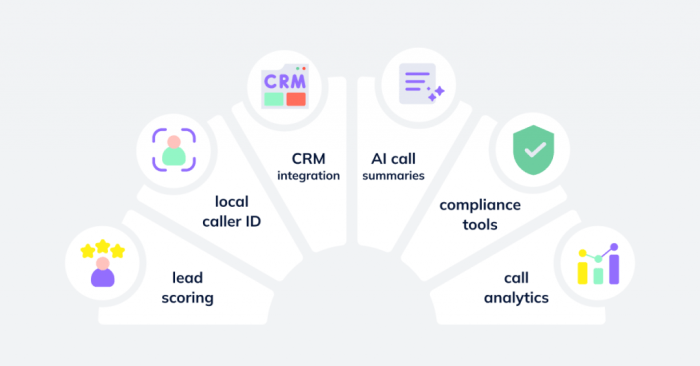
In conclusion, the intricate web of Predictive Dialer CRM Reporting Features Explained unravels a tapestry of insights and possibilities for optimizing call center operations. By harnessing the power of customized reporting and seamless integration, businesses can propel themselves towards greater success and efficiency.
Expert Answers
What are the key benefits of Predictive Dialer CRM Reporting Features?
These features help in monitoring call center performance, improving efficiency, and making data-driven decisions for enhanced productivity.
How can customization options for reporting features benefit different departments within an organization?
Customization allows tailoring reports to meet specific needs of different teams, leading to more targeted insights and strategic decision-making.
Why is integration with CRM systems important for predictive dialer CRM reporting?
Seamless integration enhances data accuracy and accessibility, providing a holistic view of customer interactions and call center operations.


![AI in B2B Sales: How It’s Used and Its Biggest Benefits [New Data]](https://digital.haijakarta.id/wp-content/uploads/2025/12/Sales-Automation-Tools-InsightSquared-Salesblink-120x86.jpg)