Kicking off with Financial Reporting Software That Simplifies Audits, this opening paragraph is designed to captivate and engage the readers, providing a glimpse into how financial reporting software can revolutionize the audit process with efficiency and effectiveness.
As we delve deeper into the realm of financial reporting software, we uncover the essential features, benefits, and key considerations that make it a game-changer in the world of audits.
Overview of Financial Reporting Software
Financial reporting software plays a crucial role in the audit process by providing a streamlined approach to analyzing and presenting financial data. This software helps auditors perform their tasks more efficiently and accurately, ultimately enhancing the overall audit quality.
Importance of Financial Reporting Software in Audits
Financial reporting software simplifies the audit process by automating repetitive tasks, reducing the risk of errors, and ensuring compliance with regulatory requirements. Auditors can access real-time financial data, perform in-depth analysis, and generate comprehensive reports with ease.
Key Features of Financial Reporting Software
- Automated Data Collection: Financial reporting software can automatically collect data from various sources, eliminating the need for manual data entry.
- Customizable Templates: Auditors can create customized templates for financial statements, making it easier to standardize reporting formats and ensure consistency.
- Advanced Analytics: The software offers advanced analytical tools that allow auditors to analyze financial data more effectively, identify trends, and detect anomalies.
- Audit Trail: Financial reporting software maintains an audit trail of all changes made to the financial data, providing transparency and accountability throughout the audit process.
- Integration Capabilities: The software can integrate with other systems and applications, facilitating seamless data flow and enhancing collaboration among audit teams.
Benefits of Using Financial Reporting Software for Audits
Financial reporting software offers numerous advantages for companies undergoing audits, streamlining the process and enhancing efficiency. By automating various tasks and providing advanced analytical capabilities, such software can significantly improve the audit experience for businesses.
Increased Accuracy and Consistency
Financial reporting software reduces the risk of human error in audits by automating calculations and ensuring data consistency. Manual processes are more prone to mistakes, which can lead to inaccuracies in financial reports. With software, companies can rely on precise calculations and consistent data presentation, enhancing the overall accuracy of the audit process.
Time and Cost Savings
Compared to manual audit processes, financial reporting software saves time and reduces costs significantly. By automating repetitive tasks, such as data entry and reconciliation, software allows auditors to focus on more strategic aspects of the audit. This efficiency not only speeds up the audit process but also reduces labor costs associated with manual work.
Improved Data Analysis and Reporting
Financial reporting software provides advanced data analysis capabilities that go beyond what manual processes can achieve. With features like customizable dashboards, real-time reporting, and data visualization tools, companies can gain valuable insights into their financial performance. This not only enhances the audit process but also helps businesses make better-informed decisions based on accurate and up-to-date financial data.
Real-Life Examples
Companies across various industries have benefited from using financial reporting software for audits. For instance, a multinational corporation streamlined its audit process by implementing specialized software, reducing audit time by 30% and improving data accuracy. Another example is a small business that saved significant costs on audit fees by utilizing reporting software to automate data collection and analysis.
These real-life cases demonstrate the tangible benefits of using financial reporting software for audits.
Key Features to Look for in Financial Reporting Software

When it comes to choosing financial reporting software to simplify audits, there are several key features that you should look for. These features can help streamline the audit process, improve accuracy, and save time for your organization.
Data Import and Integration Capabilities
One important feature to consider is the software's ability to easily import and integrate data from various sources. Look for software that can seamlessly connect to your existing systems and databases, allowing for a smooth transfer of financial information without manual entry errors.
Customizable Reporting Templates
Another essential feature is the availability of customizable reporting templates. This allows you to tailor the reports to meet your specific audit requirements and ensure compliance with regulations. Look for software that offers a variety of templates and the flexibility to create your own if needed.
Real-Time Collaboration and Review Tools
Efficient audit processes often require real-time collaboration among team members and stakeholders. Look for software that provides tools for secure communication, document sharing, and review workflows. This enables auditors to work together seamlessly and ensures that all parties have access to the most up-to-date information.
Automated Audit Trail and Documentation
Automation is a key feature that can significantly enhance audit efficiency. Look for software that automatically generates audit trails, tracks changes, and documents every step of the audit process. This not only saves time but also improves transparency and accountability.
Advanced Analytics and Data Visualization
Lastly, consider software that offers advanced analytics and data visualization capabilities. These features can help auditors identify trends, anomalies, and insights within the financial data. Look for tools that provide interactive dashboards, customizable graphs, and predictive analytics to enhance audit decision-making.Overall, when selecting financial reporting software for audits, prioritize features that streamline processes, improve accuracy, and enhance collaboration.
By choosing the right software with the key features mentioned above, you can simplify audits and ensure a more efficient and effective audit process for your organization.
Implementation and Integration of Financial Reporting Software
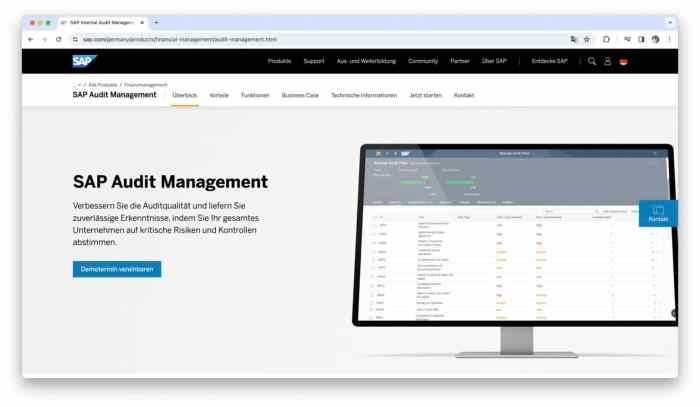
Implementing and integrating financial reporting software into existing systems is a crucial step to streamline the audit process and improve overall efficiency. By following best practices and addressing potential challenges proactively, organizations can ensure a smooth transition and maximize the benefits of using the software.
Steps for Integrating Financial Reporting Software
- Evaluate current systems and processes to identify areas for improvement and determine compatibility with the new software.
- Select a reputable software provider that offers customizable solutions tailored to your organization's specific needs.
- Collaborate with IT and finance teams to plan the implementation process, establish timelines, and allocate resources accordingly.
- Conduct thorough training sessions for employees to familiarize them with the software and ensure proper usage.
- Regularly monitor and evaluate the integration progress, making necessary adjustments to optimize performance and address any issues that may arise.
Best Practices for Implementation
- Define clear objectives and goals for implementing the software to align with the audit process requirements and organizational objectives.
- Engage key stakeholders, including executives, auditors, and end-users, throughout the implementation process to gain buy-in and support.
- Establish communication channels to provide updates, address concerns, and gather feedback from stakeholders at every stage of implementation.
- Document processes, procedures, and guidelines to ensure consistency, compliance, and transparency in using the software for audits.
Potential Challenges and Solutions
- Resistance to change: Address resistance through effective communication, training, and demonstrating the benefits of using the software for audits.
- Data integration issues: Work closely with IT teams to ensure seamless data integration between existing systems and the new software.
- Lack of expertise: Provide comprehensive training and support to empower employees with the necessary skills and knowledge to use the software effectively.
- Technical issues: Develop contingency plans, establish support systems, and collaborate with software providers to resolve technical issues promptly.
End of Discussion
In conclusion, Financial Reporting Software That Simplifies Audits offers a transformative solution for businesses looking to enhance their audit procedures. By embracing the power of specialized software, companies can streamline processes, improve accuracy, and ultimately elevate their financial reporting standards.
Question Bank
How does financial reporting software simplify audits?
Financial reporting software automates data collection and analysis, streamlining the audit process and reducing human error.
What are the key features to look for in financial reporting software?
Important features include customizable reporting templates, real-time data updates, and integration capabilities with existing systems.
Can financial reporting software be integrated into existing systems smoothly?
Yes, by following best practices and ensuring compatibility with current systems, financial reporting software can be seamlessly integrated.


![AI in B2B Sales: How It’s Used and Its Biggest Benefits [New Data]](https://digital.haijakarta.id/wp-content/uploads/2025/12/Sales-Automation-Tools-InsightSquared-Salesblink-120x86.jpg)