Delving into the realm of Nonprofit CRM Solutions for Long-Term Sustainability, one uncovers a landscape where technology meets philanthropy, paving the way for enhanced efficiency and donor relationships. This topic explores the vital role CRM systems play in ensuring the longevity and success of nonprofit organizations.
As we navigate through the intricacies of selecting, implementing, customizing, and securing CRM solutions, the path to sustainable growth and impactful donor engagement becomes clearer.
Importance of Nonprofit CRM Solutions
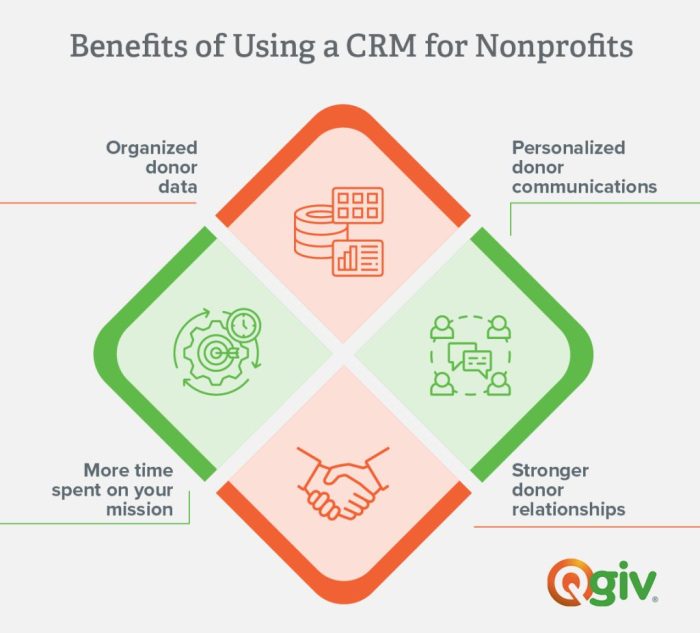
Nonprofit CRM solutions play a crucial role in ensuring the long-term sustainability of organizations by effectively managing donor relationships, improving communication, and enhancing overall efficiency.
Key Features of CRM Systems for Nonprofit Organizations:
- Centralized Donor Database: CRM systems allow nonprofits to store all donor information in one place, making it easier to track interactions and personalize communication.
- Automation Capabilities: CRM systems automate tasks such as donation processing, email campaigns, and event management, saving time and increasing productivity.
- Donor Segmentation: CRM systems enable nonprofits to segment donors based on various criteria, allowing for targeted communication and personalized engagement strategies.
- Reporting and Analytics: CRM systems provide valuable insights through reporting and analytics, helping organizations make data-driven decisions and measure the impact of their fundraising efforts.
How CRM Solutions Improve Donor Engagement and Retention:
- Personalized Communication: CRM systems allow nonprofits to tailor their communication based on donor preferences and behavior, leading to more meaningful interactions and increased engagement.
- Automated Follow-ups: CRM systems enable organizations to set up automated follow-up sequences, ensuring that donors receive timely acknowledgments, updates, and thank-you messages.
- Donor Journey Tracking: CRM systems help nonprofits track the donor journey from initial contact to ongoing support, enabling them to identify opportunities for engagement and retention strategies.
- Integration with Communication Channels: CRM systems integrate with various communication channels, such as email, social media, and website, ensuring consistent and coordinated messaging across all touchpoints.
Implementing Nonprofit CRM Systems
Implementing a Nonprofit CRM system is a critical step towards improving operational efficiency and donor relationships. Here are some key aspects to consider when selecting, integrating, and training staff on CRM solutions.
Selecting the Right CRM System
When choosing a CRM system for a nonprofit organization, it is essential to consider the specific needs and goals of the organization. Here are the steps to follow:
- Conduct a needs assessment to identify key requirements and functionalities needed in a CRM system.
- Research different CRM solutions available in the market and compare their features, pricing, and compatibility with your organization's existing systems.
- Request demos or trials from shortlisted vendors to evaluate the user interface and ease of use for staff members.
- Consider scalability and future growth potential of the CRM system to ensure it can accommodate the organization's expanding needs.
- Consult with stakeholders, including staff members who will be using the CRM system, to gather feedback and insights before making a final decision.
Integrating CRM Solutions with Existing Databases and Systems
Integrating CRM solutions with existing databases and systems is crucial for seamless data management and workflow efficiency. Here's the process to follow:
- Map out data fields and structures in both the CRM system and existing databases to identify potential integration points.
- Utilize data migration tools or services to transfer data from legacy systems to the new CRM platform while ensuring data integrity and accuracy.
- Configure data syncing and automation processes to enable real-time updates between the CRM system and other systems for a unified view of donor information.
- Test the integration thoroughly to identify any issues or discrepancies and make necessary adjustments before fully deploying the CRM system.
Training Staff on Using CRM Software Effectively
Proper training is essential to ensure staff members can effectively utilize the CRM software to its full potential. Here are some best practices for training staff:
- Provide comprehensive training sessions covering the basic functionalities, data entry protocols, and reporting features of the CRM system.
- Offer hands-on practice sessions and simulations to allow staff members to familiarize themselves with the CRM software in a controlled environment.
- Assign dedicated staff members as CRM champions or super users to provide ongoing support, guidance, and troubleshooting assistance to their peers.
- Encourage continuous learning and feedback loops to identify areas for improvement and optimize the use of the CRM system for better donor engagement and fundraising efforts.
Customization and Personalization in Nonprofit CRM
Customizing CRM solutions for nonprofit organizations is crucial to meet their unique needs. By tailoring the system to fit specific requirements, nonprofits can better engage with donors, volunteers, and stakeholders, leading to improved relationships and increased support.
Personalized Communication for Donor Relationships
- CRM systems allow nonprofits to send personalized messages to donors based on their interests, preferences, and giving history.
- By addressing donors by name and acknowledging their past contributions, organizations can show appreciation and strengthen connections.
- Personalized communication can lead to higher donor retention rates and increased donor loyalty over time.
Tailored Reporting and Analytics for Data-Driven Decisions
- Customized reporting features in CRM systems enable nonprofits to track and analyze data specific to their goals and objectives.
- By generating tailored reports, organizations can identify trends, measure campaign effectiveness, and optimize fundraising strategies.
- Data-driven decisions based on personalized analytics help nonprofits allocate resources efficiently and achieve long-term sustainability.
Data Security and Compliance in Nonprofit CRM
Data security and compliance are crucial aspects to consider when implementing CRM solutions for nonprofits. Ensuring the protection of sensitive donor information and adhering to relevant regulations are key to maintaining trust and credibility within the nonprofit sector.
Importance of Data Security Measures
Implementing robust data security measures is essential to safeguarding donor information and maintaining the integrity of a nonprofit organization. Some key points to consider include:
- Encrypting sensitive data to prevent unauthorized access.
- Implementing access controls to restrict data visibility to authorized personnel only.
- Regularly updating security protocols to address emerging threats.
Common Compliance Regulations for Nonprofits
Nonprofits need to be aware of and comply with various regulations when handling donor information, such as:
- The General Data Protection Regulation (GDPR) for organizations operating in the European Union.
- The Health Insurance Portability and Accountability Act (HIPAA) for nonprofits dealing with healthcare-related data.
- The Payment Card Industry Data Security Standard (PCI DSS) for organizations processing credit card payments.
Strategies for Ensuring Data Privacy and Compliance
To maintain data privacy and compliance with relevant laws, nonprofits can:
- Conduct regular audits to identify and address security vulnerabilities.
- Provide training to staff members on data protection best practices.
- Implement data breach response plans to mitigate the impact of any security incidents.
Final Review
In conclusion, Nonprofit CRM Solutions for Long-Term Sustainability offer a beacon of hope for organizations striving to make a lasting impact. By embracing these solutions and harnessing their power, nonprofits can cultivate stronger donor relationships, streamline operations, and drive meaningful change in the world.
Top FAQs
How can CRM solutions benefit nonprofit organizations in the long term?
CRM solutions provide a centralized platform for managing donor data, improving communication, and enhancing engagement, leading to sustained growth and impact.
What are some key features to look for when selecting a CRM system for a nonprofit?
Key features include robust donor management tools, customizable reporting capabilities, integration options with existing systems, and user-friendly interfaces for staff.
How can personalized communication through CRM systems enhance donor relationships?
Personalized communication, such as tailored messages and targeted outreach, shows donors that their contributions are valued, fostering stronger connections and loyalty.
What measures should nonprofits take to ensure data security and compliance when using CRM solutions?
Nonprofits should implement encryption protocols, access controls, regular audits, and compliance with data protection regulations like GDPR to safeguard donor information.


![AI in B2B Sales: How It’s Used and Its Biggest Benefits [New Data]](https://digital.haijakarta.id/wp-content/uploads/2025/12/Sales-Automation-Tools-InsightSquared-Salesblink-120x86.jpg)