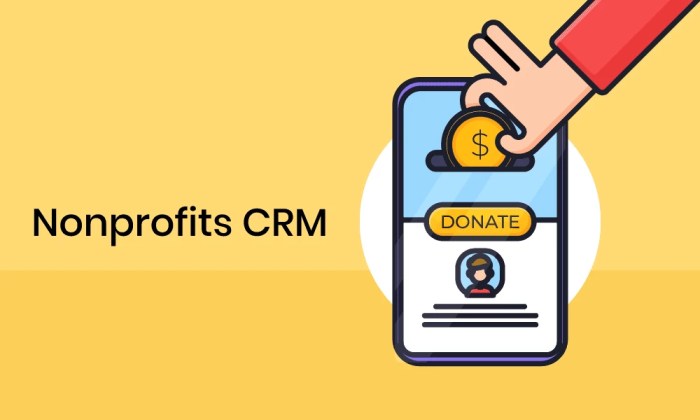
In today's rapidly evolving digital landscape, Nonprofit CRM Solutions Supporting Digital Transformation have become indispensable tools for nonprofit organizations striving to make a meaningful impact. From enhancing donor management to optimizing fundraising campaigns, these solutions offer a myriad of benefits that can revolutionize the way nonprofits operate.
Let's delve into the world of Nonprofit CRM Solutions and explore how they are shaping the future of the nonprofit sector.
Introduction to Nonprofit CRM Solutions
Customer Relationship Management (CRM) is a technology that helps organizations manage interactions with current and potential customers. In the nonprofit sector, CRM solutions play a crucial role in donor management, volunteer coordination, and fundraising efforts.
Nonprofit organizations can benefit significantly from using CRM solutions by centralizing donor information, tracking engagement, and streamlining communication. By having a comprehensive view of their donors and supporters, nonprofits can personalize outreach efforts, improve donor retention, and ultimately increase their impact.
Popular CRM Software for Nonprofits
- Salesforce: Known for its robust features and customization options, Salesforce offers a Nonprofit Success Pack specifically designed for nonprofit organizations.
- Blackbaud: A widely used CRM software in the nonprofit sector, Blackbaud provides solutions for fundraising, marketing, and donor management.
- DonorPerfect: Tailored for nonprofits, DonorPerfect offers tools for donor management, online fundraising, and reporting to help organizations optimize their fundraising efforts.
Digital Transformation in Nonprofit Organizations
Digital transformation in nonprofit organizations refers to the integration of digital technologies to improve operations, increase efficiency, and enhance the overall impact of the organization's mission. It involves leveraging technology to streamline processes, engage stakeholders, and deliver services more effectively.
Examples of Digital Transformation Benefits for Nonprofits
- Enhanced Donor Engagement: Nonprofits can use digital tools such as CRM systems to better understand donor behavior, personalize communication, and build stronger relationships with supporters.
- Improved Program Delivery: Digital solutions like online platforms and mobile apps can help nonprofits reach a wider audience, deliver services efficiently, and collect data for better program evaluation and impact measurement.
- Increased Operational Efficiency: Automation of administrative tasks, data management, and reporting through digital systems can free up resources and staff time, allowing nonprofits to focus more on their core mission activities.
Challenges in Adopting Digital Transformation
- Lack of Resources: Nonprofits often face budget constraints and limited IT expertise, making it challenging to invest in and implement new digital technologies.
- Data Security Concerns: Handling sensitive donor information and ensuring data privacy compliance can be a barrier to adopting digital solutions for nonprofits, especially with limited resources for cybersecurity measures.
- Cultural Resistance: Some staff and stakeholders may be resistant to change or lack the digital literacy needed to fully embrace new technologies, hindering the adoption of digital transformation initiatives.
Features of Nonprofit CRM Solutions
Nonprofit CRM solutions offer a variety of key features that are specifically designed to support donor management, fundraising, and engagement within nonprofit organizations.
Donor Management
- Donor profiles: CRM solutions allow nonprofits to create detailed profiles for each donor, including contact information, donation history, and communication preferences.
- Donation tracking: Nonprofit CRM systems enable organizations to track donations, pledges, and recurring contributions, providing valuable insights into donor behavior.
- Segmentation and targeting: CRM solutions help nonprofits segment donors based on various criteria, allowing for targeted communication and personalized outreach.
Fundraising
- Online donation tools: Nonprofit CRM solutions often include online donation forms and tools to facilitate easy and secure donation processing.
- Campaign management: CRM systems offer features for managing fundraising campaigns, tracking progress, and analyzing results to optimize future efforts.
- Integration with fundraising platforms: Many CRM solutions integrate with popular fundraising platforms to streamline the donation process and maximize fundraising potential.
Engagement
- Communication tools: CRM solutions provide email marketing and communication tools to engage donors, volunteers, and supporters effectively.
- Event management: Nonprofit CRM systems offer event management features to plan, promote, and track fundraising events and activities.
- Social media integration: CRM solutions often integrate with social media platforms to enhance engagement and reach a wider audience through social sharing.
Comparison of Nonprofit CRM Solutions
When comparing different CRM solutions tailored specifically for nonprofits, organizations should consider factors such as pricing, scalability, ease of use, integration capabilities, and customer support. Some popular nonprofit CRM solutions include Salesforce Nonprofit Cloud, Blackbaud CRM, NeonCRM, and DonorPerfect, each offering unique features and functionalities to meet the diverse needs of nonprofit organizations.
Implementation and Integration of CRM Solutions
Implementing and integrating CRM solutions within a nonprofit organization is crucial for streamlining processes, improving donor relationships, and enhancing overall efficiency. It involves several key steps to ensure successful adoption and utilization of the CRM software.
Steps for Implementing a CRM Solution:
- Define Objectives: Clearly Artikel the goals and objectives you aim to achieve with the CRM system.
- Choose the Right CRM Software: Select a CRM solution that aligns with your organization's needs and budget.
- Customize and Configure: Tailor the CRM software to fit your specific requirements and workflows.
- Data Migration: Transfer existing donor and organizational data into the CRM system accurately.
- Training: Provide comprehensive training to staff members on how to effectively use the CRM software.
- Testing and Feedback: Test the CRM system extensively and gather feedback for improvement.
- Launch and Monitor: Roll out the CRM solution organization-wide and continuously monitor its performance.
Best Practices for Integrating CRM Solutions with Existing Systems:
- Assess System Compatibility: Ensure the CRM software can seamlessly integrate with other existing systems.
- Develop a Integration Plan: Create a detailed integration plan outlining the processes and timeline.
- Collaborate with IT Teams: Work closely with IT teams to facilitate smooth integration and troubleshoot any issues.
- Data Mapping: Map out how data will flow between systems to prevent data discrepancies.
- Regular Maintenance: Conduct regular maintenance and updates to keep the CRM integration running smoothly.
Tips for Training Staff on Using CRM Software Effectively:
- Provide Hands-on Training: Offer practical, hands-on training sessions to help staff members familiarize themselves with the CRM software.
- Offer Ongoing Support: Provide ongoing support and resources for staff to refer back to when using the CRM system.
- Create User Guides: Develop user-friendly guides and manuals to assist staff in navigating the CRM software.
- Encourage Feedback: Encourage staff to provide feedback on their user experience to identify areas for improvement.
Data Security and Privacy Considerations
Data security and privacy are critical considerations for nonprofits when using CRM solutions. Ensuring the protection of donor information is not only a legal requirement but also essential for maintaining trust and credibility with supporters.
Importance of Data Security
Nonprofits must prioritize data security to safeguard sensitive donor information from unauthorized access or breaches. Implementing robust security measures is crucial to prevent data leaks and maintain the confidentiality of donor data.
Compliance with Data Protection Regulations
Nonprofits can ensure compliance with data protection regulations by staying informed about relevant laws such as GDPR or CCPA. Implementing data protection policies and procedures, conducting regular audits, and providing staff training on data security are essential steps to meet regulatory requirements.
Measures to Secure Donor Information
- Encrypting Donor Data: Utilize encryption techniques to protect donor information both in transit and at rest.
- Access Controls: Implement strict access controls to limit who can view or modify donor data within the CRM system.
- Regular Data Backups: Perform regular backups of donor data to prevent loss in case of system failures or cyber attacks.
- Security Audits: Conduct periodic security audits to identify vulnerabilities and address them promptly.
- Incident Response Plan: Develop a detailed incident response plan to mitigate the impact of data breaches and respond effectively in case of security incidents.
Impact of Nonprofit CRM Solutions on Digital Fundraising
Nonprofit CRM solutions play a crucial role in enhancing digital fundraising efforts by streamlining the process, providing valuable insights, and enabling more personalized donor engagement. These tools help organizations effectively manage donor relationships, track interactions, and analyze data to optimize fundraising campaigns.
Streamlining the Digital Fundraising Process
- CRM solutions centralize donor data, making it easier to track donor interactions and preferences.
- Automation features help streamline communication with donors, sending personalized messages at the right time.
- Integration with online donation platforms simplifies the donation process and ensures a seamless donor experience.
Success Stories of Nonprofits
- A nonprofit organization saw a 30% increase in donations after implementing a CRM solution to analyze donor data and target specific donor segments with personalized campaigns.
- Another nonprofit reported a 20% growth in donor retention by using CRM data to identify at-risk donors and implement targeted retention strategies.
Tips for Optimizing Fundraising Campaigns
- Utilize CRM data to segment donors based on giving history, interests, and engagement levels for targeted fundraising appeals.
- Personalize communication with donors by leveraging CRM insights to send tailored messages that resonate with their preferences.
- Track and analyze fundraising campaign performance using CRM analytics to identify successful strategies and areas for improvement.
Closing Notes
As we wrap up our discussion on Nonprofit CRM Solutions Supporting Digital Transformation, it becomes evident that these innovative tools are not just changing the way nonprofits operate, but also paving the way for a more efficient and impactful future.
By embracing digital transformation and harnessing the power of CRM solutions, nonprofits can truly amplify their reach and drive positive change in the world.
Clarifying Questions
How can CRM solutions benefit nonprofit organizations?
CRM solutions can help nonprofits improve donor relationships, streamline fundraising efforts, and enhance overall operational efficiency.
What are some popular CRM software used by nonprofits?
Popular CRM software used by nonprofits include Salesforce, Blackbaud CRM, and NeonCRM.
Why is data security important for nonprofits using CRM solutions?
Data security is crucial for nonprofits to protect sensitive donor information and ensure compliance with data protection regulations.

![AI in B2B Sales: How It’s Used and Its Biggest Benefits [New Data]](https://digital.haijakarta.id/wp-content/uploads/2025/12/Sales-Automation-Tools-InsightSquared-Salesblink-120x86.jpg)